Information
Landmark: Neman RiverCity: Minsk
Country: Belarus
Continent: Europe
Neman River, Minsk, Belarus, Europe
Overview
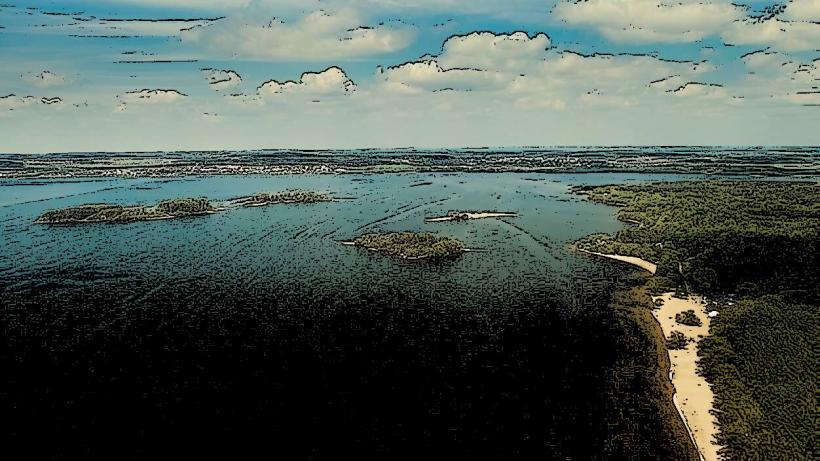
The Neman River-called Нёман in Belarusian, Nemunas in Lithuanian, and Неман in Russian-winds through Belarus and Lithuania, its wide basin stretching into parts of Russia, moreover this waterway carries boats and wildlife alike, and its banks hold centuries of stories and traditions that shaped the region.I think, The Neman River stretches about 937 kilometers (582 miles), ranking as the fourth-longest in the Baltic region, equally important it rises on the Belarusian Minsk Mazurian Plateau, near the quiet village of Verkhny Neman, then winds west through Belarus and Lithuania before spilling into the Baltic Sea by way of the Kuronian Lagoon.The Neman winds through several regions, carrying fresh water to farms and towns, and for part of its journey it marks the natural border between Belarus and Lithuania; along the way, it gathers the Vilija, Šešupė, Jūra, and Skroblus into its flow, and for centuries its broad, steady current has served as a vital trade and explore route across Eastern Europe, furthermore in ancient times, it formed a vital trade route stretching from the Baltic Sea to the Black Sea and beyond, relatively The river carried the Grand Duchy of Lithuania’s boats between cities like Vilnius and Kaunas and out into Europe, along with in the Middle Ages, the Neman bustled with cargo-salt in coarse sacks, grain in bulk, and long rafts of timber riding the current.The Neman River played a vital part in the region’s military past, especially during battles involving the Polish-Lithuanian Commonwealth, at the same time over time, towns rose along its banks-market squares, cobbled streets, and church spires reflected in the water-and it still drives much of the economy in Belarus and Lithuania.It also carries deep symbolic weight for both nations, with places like Grodno in Belarus and Kaunas in Lithuania preserving centuries of cultural, historical, and architectural heritage tied to its flow, at the same time its waters shelter pike, perch, carp, zander, and countless other aquatic life.Truthfully, Wetlands and forests along the river shelter herons, swans, and geese, while its banks are lined with willows, oaks, alders, and birches that dip their roots into the water, in turn rich in biodiversity, the river has suffered from industrial and agricultural impacts, with pollution a pressing concern near dense towns.Still, projects aim to clean the water and protect its ecosystems, while it winds through protected areas and nature reserves, including parts of the Neman River Basin, a key conservation zone.Interestingly, In its lower reaches in Lithuania, the Neman also serves as a vital shipping route, subsequently cargo ships loaded with grain, timber, and fertilizer can trek its waters, feeding both local trade and overseas markets.In the past, the river linked inland towns to the Baltic Sea, sending goods out across Europe, therefore its wide, green basin remains rich farmland, yielding wheat, barley, and rows of earthy potatoes.The river is vital for watering farmland in Belarus and Lithuania, feeding fields much like rain after a dry spell, moreover in its upper stretches, the Neman’s strong current powers hydroelectric plants.In Belarus, the Grodno Hydroelectric Station shows how the river’s power is harnessed for electricity, in conjunction with the Neman also draws visitors for river cruises, where leisurely boats glide past green fields and quiet villages in the Belarusian and Lithuanian countryside.These cruises wind past centuries-historic towns and rolling green hills, a treat for anyone who loves history or the outdoors, likewise the river’s also famous among anglers, especially for its perch, pike, and hefty carp.The Neman’s clear, cool waters, teeming with fish, draw anglers from far and wide, while riverside towns like Grodno in Belarus and Kaunas in Lithuania offer cobblestoned streets, ornate facades, and a wealth of cultural treasures, after that visitors can wander through medieval castles, step inside centuries-classical churches, and browse quiet museum halls, then head outdoors to places like Lithuania’s Neman Regional Park.Beyond boating and fishing, the wide Neman River and its green banks invite hiking, cycling, and watching herons glide over the water, as a result the Neman River’s wild charm draws outdoor lovers eager to uncover the region’s rich ecology and layered history, and in Grodno, Belarus, you can wander past stone medieval castles, step into centuries-aged churches, and hear music drifting through lively streets along its banks.Somehow, In western Belarus, it’s a key administrative and cultural center, likewise kaunas, Lithuania’s second-largest city, sits where the Neman meets the Neris, blending grand historic facades with a vibrant arts scene, generally Nearby, Marijampolė thrives on farming, trade, and its role as a transport hub along the Neman, furthermore flowing through it all, the river carries centuries of history and the quiet shimmer of its wide, green banks.You can choose from plenty of activities-take a languid river cruise past willow trees, cast a line for fish, or wander through the historic towns scattered along its banks, meanwhile the river draws history buffs, nature lovers, and thrill-seekers alike, offering quiet afternoons under willow trees and bursts of adventure in a setting rich with beauty and culture.
Author: Tourist Landmarks
Date: 2025-09-07